What Does Septic Tank Cleaning Include? (Full Darwin Service Breakdown)
A septic system is one of those essential parts of a property that often goes unnoticed—until something goes wrong. When wastewater stops flowing properly, odours appear, or drains slow unexpectedly, the cause is often linked to a system that hasn’t been cleaned or maintained as it should be. Understanding what professional septic tank cleaning actually involves helps property owners make informed decisions, avoid unexpected disruptions, and protect the long-term health of their system.
Septic tank cleaning is not a single action or quick pump-out. It is a structured service that involves inspection, waste removal, system checks, and practical guidance to support ongoing performance. Each stage plays a role in keeping the system working efficiently and reducing the risk of blockages, overflows, or environmental damage. This guide breaks down what is typically included in a professional septic tank cleaning service and why each step matters.
Initial Assessment and System Inspection
Every septic system is different, and a professional service begins with understanding how the system is set up and how it has been performing. An initial inspection allows technicians to assess the condition of the tank and identify any visible issues before work begins.
During this stage, attention is given to factors such as access points, tank capacity, and signs of stress within the system. The inspection helps determine whether the tank is overdue for cleaning and whether any immediate concerns need to be addressed.
Key elements of the inspection include:
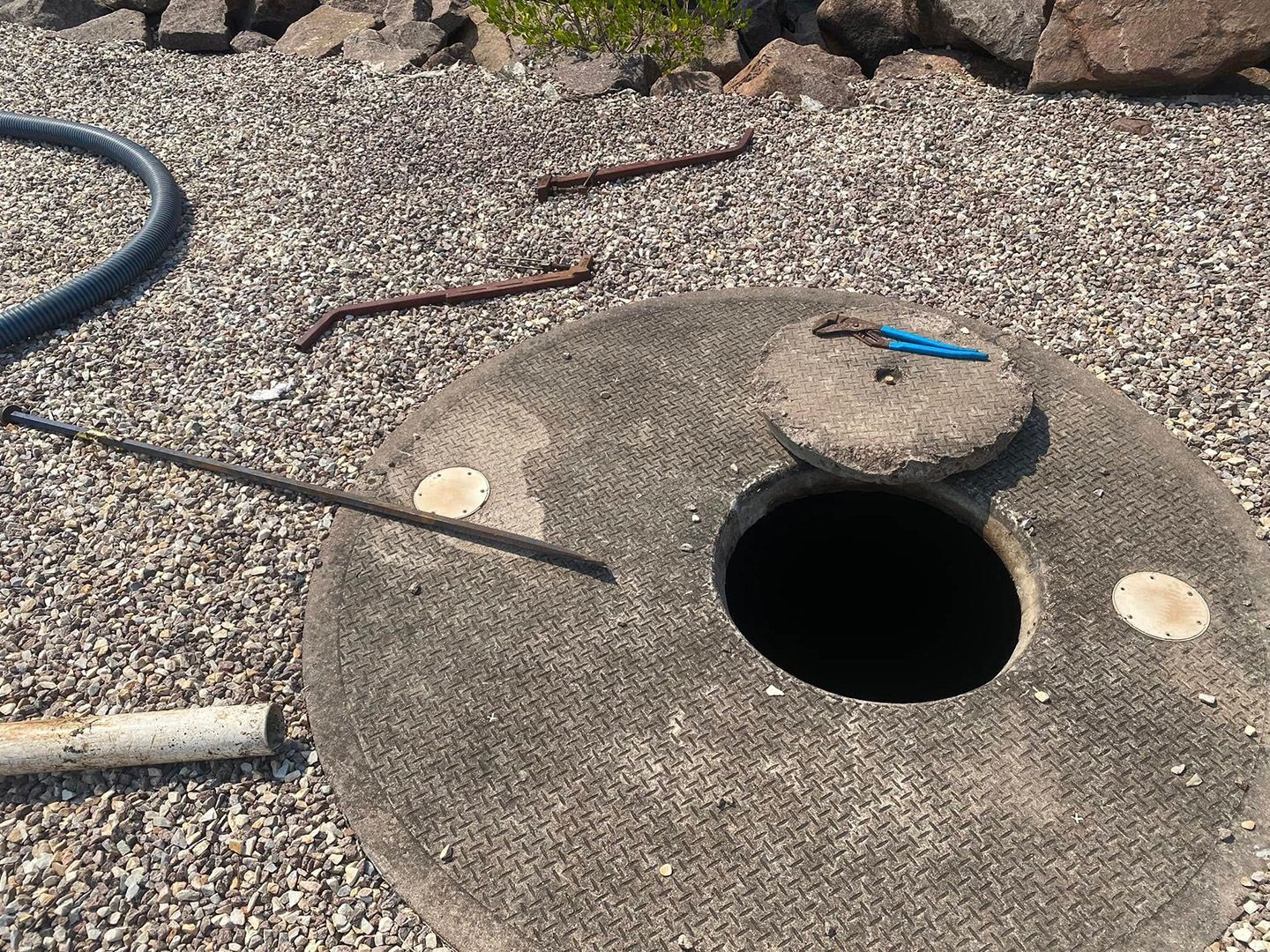
- Locating and safely accessing the septic tank
- Checking for surface indicators such as pooling water or strong odours
- Assessing sludge and scum levels inside the tank
- Identifying signs of wear, cracks, or compromised components
This early assessment ensures the cleaning process is carried out safely and effectively, rather than treating every system the same way.
Safe Pump-Out of Waste and Sludge
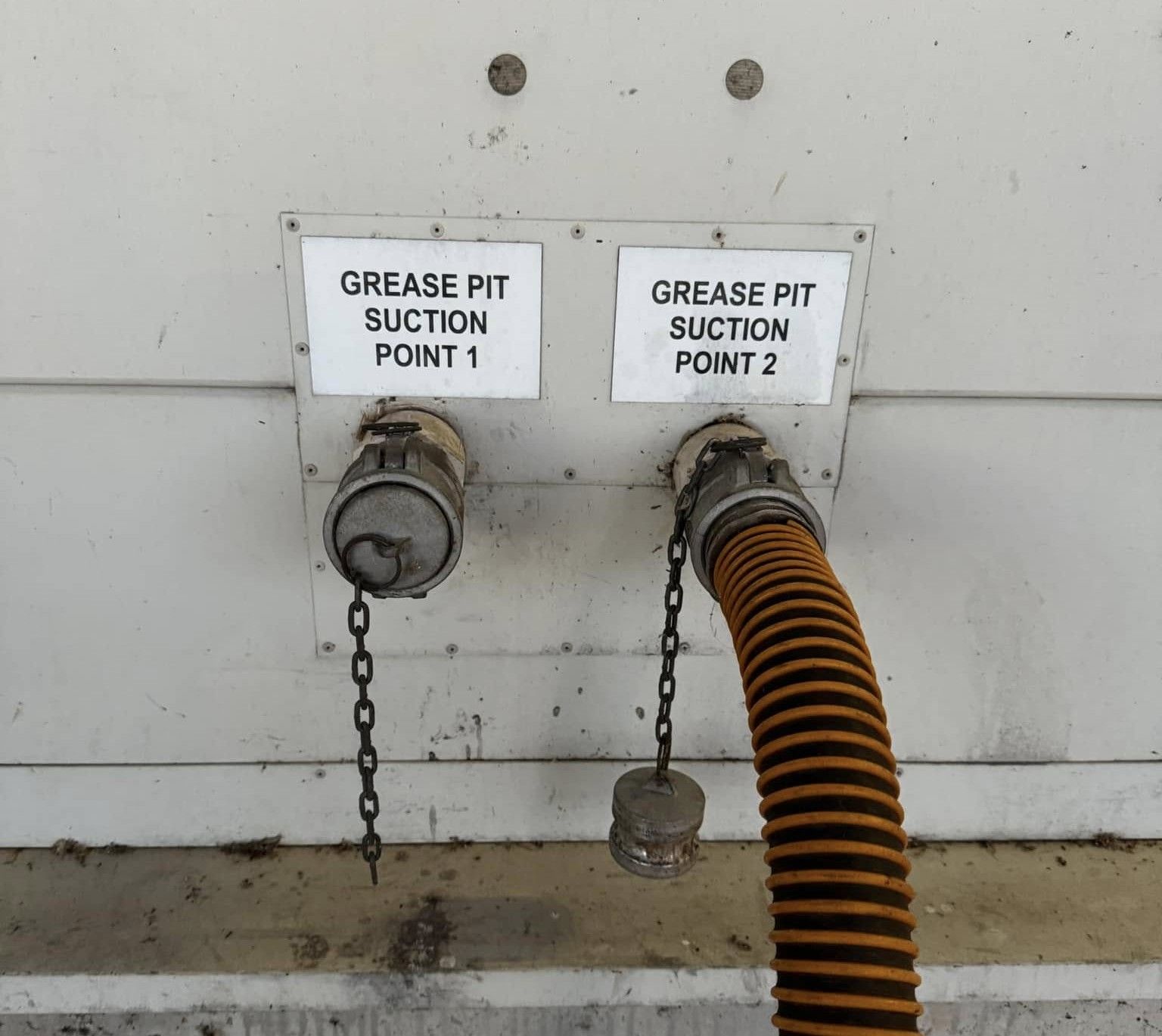
The core component of septic tank cleaning is the removal of accumulated waste. Over time, solids settle at the bottom of the tank as sludge, while lighter materials form a scum layer at the surface. If these layers are not removed, they reduce capacity and can interfere with wastewater flow. Professional pump-out equipment is used to remove both liquid waste and solid material, restoring space inside the tank and preventing overflow. This process is carefully managed to avoid damage to internal components such as baffles.
The pump-out process typically involves:
- Removing sludge from the base of the tank
- Extracting floating scum and grease layers
- Ensuring waste is fully removed rather than diluted
- Maintaining controlled pressure to protect the tank structure
Thorough waste removal is essential to prevent solids from entering the drainage area and causing blockages or system failure.
Removal and Responsible Disposal of Waste
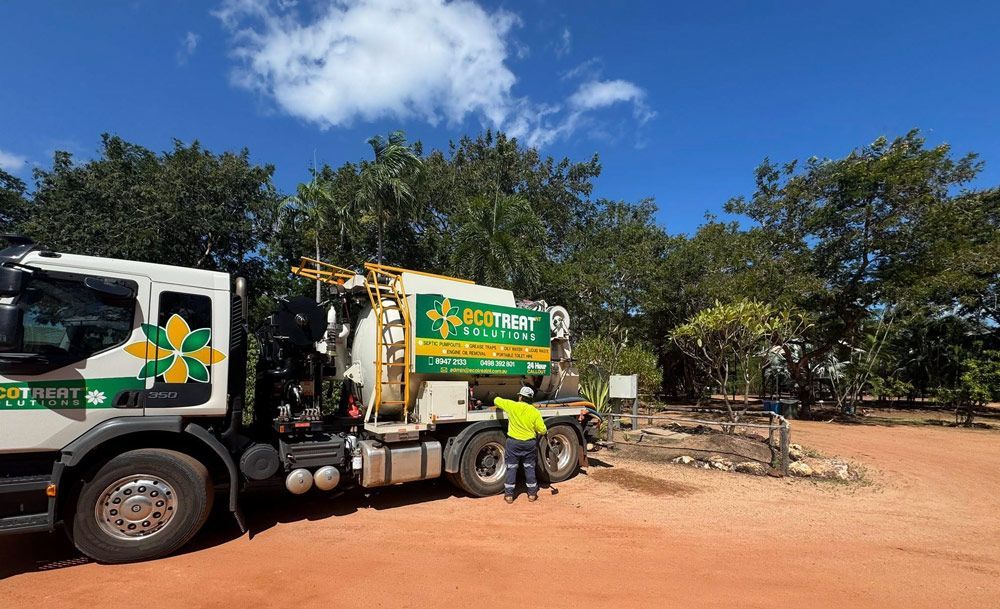
Septic waste must be handled and disposed of in accordance with environmental and safety requirements. Professional septic tank cleaning includes transporting waste to approved facilities where it can be treated safely. This step protects surrounding land and water sources from contamination and ensures compliance with waste management standards. Property owners are not left responsible for managing or disposing of waste themselves.
Responsible disposal includes:
- Transporting waste using sealed, purpose-built vehicles
- Following approved disposal pathways
- Preventing spillage or environmental exposure
- Ensuring documentation and compliance obligations are met
Proper disposal is a critical part of septic tank cleaning, not an optional extra.
Internal System Checks During Cleaning
While the tank is emptied, technicians can carry out internal checks that are not possible when the system is full. This provides valuable insight into the health of the system and highlights potential issues before they become major problems. Internal checks focus on ensuring wastewater flows as intended and that structural elements are intact. Identifying minor faults early can help avoid expensive repairs later.
Common checks performed include:
- Inspecting inlet and outlet baffles
- Checking for cracks or corrosion inside the tank
- Assessing signs of root intrusion or blockages
- Confirming wastewater movement through the system
These checks add significant value to routine cleaning by supporting proactive maintenance rather than reactive repairs.
Identifying Early Warning Signs of System Stress
One of the benefits of professional septic tank cleaning is the ability to identify early warning signs that may not yet be obvious to property occupants. These indicators can suggest changes in usage patterns, system strain, or emerging faults. By recognising these signs early, adjustments can be made before the system reaches a critical point.
Early warning signs may include:
- Excessive sludge build-up between services
- Unusual waste consistency or odours
- Reduced tank efficiency
- Evidence of overloading from increased water use
Addressing these issues early helps extend the life of the system and maintain consistent performance.
Advice on Ongoing Maintenance and Usage
A professional service does not end once the tank is cleaned. Clear guidance is often provided on how to maintain the system between services and how everyday habits affect septic performance. This advice helps property owners understand how their actions influence system health and what steps can be taken to reduce strain.
Maintenance guidance may include:
- Recommended cleaning intervals
- Tips for managing water usage
- Advice on what should not enter the system
- Indicators that suggest another service is needed
This practical information empowers property owners to care for their system with confidence.
Preventing Blockages and Long-Term Damage
Routine septic tank cleaning plays a direct role in preventing blockages, backups, and long-term damage. When waste is allowed to build up unchecked, it increases pressure on pipes, drainage areas, and surrounding soil. Professional cleaning reduces these risks by restoring capacity and identifying issues early. This helps protect both the system and the surrounding environment.
Benefits of preventative cleaning include:
- Reduced likelihood of emergency call-outs
- Improved system efficiency
- Lower risk of property damage
- Extended system lifespan
Preventative care is far more effective than dealing with system failure after it occurs.
Understanding When Septic Tank Cleaning Is Needed
Knowing when to schedule septic tank cleaning is just as important as understanding what it includes. While service intervals vary, certain signs suggest the system may need attention sooner rather than later. Being alert to these signs allows property owners to act before problems escalate.
Common indicators include:
- Slow-draining sinks or toilets
- Persistent unpleasant odours
- Pooling water near drainage areas
- Gurgling sounds in plumbing
Responding early helps maintain system reliability and avoid disruptions to daily living.
Learn More
At Eco Treat Solutions NT, we provide professional, thorough
septic tank cleaning services designed to support long-term system performance and environmental care. Our team takes the time to explain each stage of the process, ensuring you know exactly what is included and why it matters. To
learn more about our approach to septic tank cleaning or to organise a service, visit
https://www.ecotreatsolutionsnt.com.au/. Managing
septic systems in Darwin comes with unique challenges related to climate, soil conditions, and usage demands, and regular professional servicing plays a key role in keeping systems operating safely and reliably.