What Causes Persistent Septic Tank Odours Around Darwin Homes
A well-functioning septic system usually operates quietly in the background, handling wastewater without drawing attention. When unpleasant odours begin to linger around the home, however, it quickly becomes a concern for property owners. The smell may appear around drains, outdoor areas or near the septic tank itself, and in many cases it continues even after basic maintenance.
Persistent septic tank odours can occur for a range of reasons, from changes in the tank’s internal processes to environmental conditions that affect how wastewater breaks down. Household habits, system design and climate conditions can all play a part. Understanding the underlying causes helps homeowners recognise when an issue may require closer attention and when services such as septic tank cleaning in Darwin may be appropriate.
The following sections explore several common factors that can contribute to ongoing septic tank smells around residential properties.
Natural Gas Build-Up Inside the Septic System
A septic tank works through natural biological processes. Wastewater entering the tank separates into layers, and bacteria break down organic material over time. During this process, gases such as hydrogen sulphide and methane are produced. When these gases build up or cannot escape properly, strong odours can develop.
Normally, ventilation pipes allow gases to disperse safely into the air. If the balance of the system is disrupted, those gases may find their way closer to the home.
Situations that may contribute to gas build-up include:
- A septic tank that has not been emptied for a long period
- Sludge & scum layers becoming thicker than usual
- Vent pipes that are blocked, damaged or incorrectly positioned
- Organic waste accumulating faster than bacteria can break it down
When gas pressure increases inside the tank, smells can travel through plumbing lines or escape through openings in the system.
Blocked or Damaged Ventilation Pipes
Ventilation plays an important role in managing septic system odours. The plumbing system usually includes vent pipes that release gases above roof level so they can disperse naturally.
If a vent pipe becomes blocked or damaged, gases may not exit the system in the intended way. Instead, odours may travel back through the plumbing or linger near outdoor fixtures.
Common ventilation problems may involve:
- Leaves, nests or debris obstructing vent openings
- Cracks or breaks in the pipe structure
- Vent pipes that are too short or incorrectly positioned
- Internal plumbing issues affecting air flow through the system
In these situations, odours may appear intermittently, particularly when wastewater is flowing through the household plumbing.
Sludge & Waste Accumulation in the Tank
Over time, solid waste settles at the bottom of the septic tank, forming a layer of sludge. Oils and lighter materials float to the surface as scum. When these layers become too thick, the tank’s capacity to process wastewater can be affected.
If the sludge layer grows too large, several issues may occur:
- Waste may not separate properly inside the tank
- Partially treated wastewater may move through the system too quickly
- Gas production may increase due to excessive organic matter
- Odours may escape through the tank lid or plumbing lines
Routine inspection and pumping are commonly used to manage these layers. Services related to septic tank cleaning often involve removing accumulated sludge so the system can return to its normal operating balance.
Drain Field Problems Affecting Wastewater Flow
The drain field, sometimes called the absorption area, is where treated wastewater disperses into the surrounding soil. When this area becomes saturated or obstructed, wastewater may not drain as intended.
Poor drainage conditions can create several noticeable signs around the property, including unpleasant smells.
Factors that may contribute to drain field issues include:
- Soil becoming compacted or waterlogged
- Tree roots growing into underground pipes
- Heavy vehicles or structures placed over the drain field
- Excessive wastewater entering the system within a short period
When wastewater cannot disperse properly, odours may rise from the soil surface or appear around outdoor plumbing fixtures.
Household Waste That Disrupts the Tank’s Balance
Septic systems rely on naturally occurring bacteria to break down organic matter. Certain products used inside the home can disrupt this biological balance, reducing the system’s ability to process waste.
Some common household materials can slow down or interfere with the breakdown process, which may lead to stronger odours over time.
Examples include:
- Cleaning chemicals with strong antibacterial properties
- Oils, fats & grease poured down kitchen sinks
- Non-biodegradable items flushed through toilets
- Large volumes of detergents entering the tank at once
When bacterial activity decreases, waste may remain in the tank for longer periods and produce stronger gases.
Plumbing Traps That Have Dried Out
Inside the home, plumbing fixtures usually include a water trap designed to block sewer gases from travelling back through the pipes. These traps hold a small amount of water that acts as a seal.
If the water inside the trap evaporates or drains away, gases from the septic system may pass through the plumbing and enter indoor areas.
Situations where traps may dry out include:
- Guest bathrooms or outdoor fixtures that are rarely used
- Floor drains in laundry areas or garages
- Long periods without water running through certain pipes
- Hot conditions that increase evaporation
Restoring water to the trap often resolves the issue, although persistent odours may still indicate a larger system concern.
Tank Lid or Seal Issues Allowing Odours to Escape
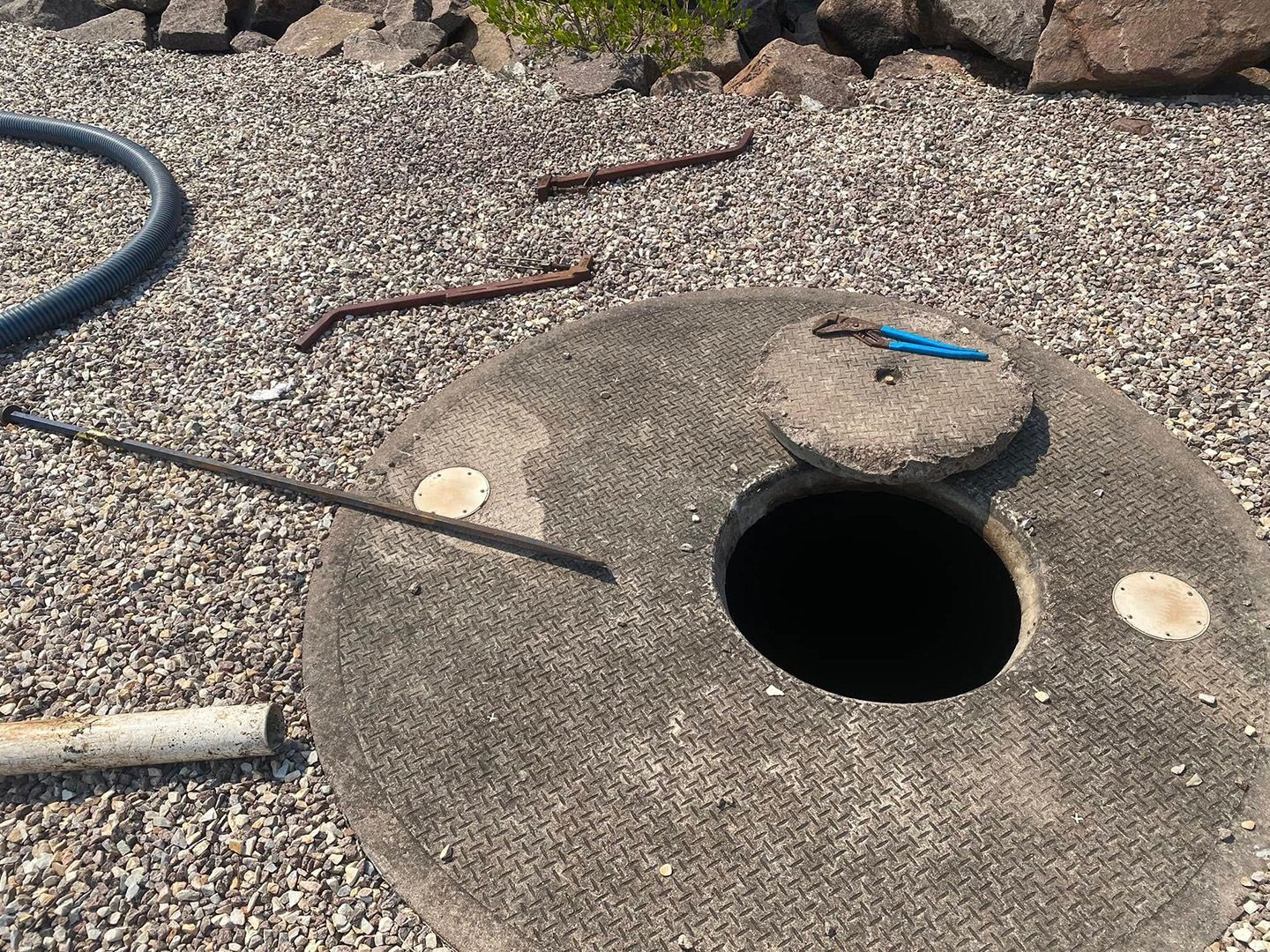
Septic tanks usually have access lids that allow for inspection and maintenance. These lids are intended to remain tightly sealed between service visits.
If the lid shifts or the seal deteriorates, gases from the tank may escape directly into the surrounding area. Even a small gap can allow noticeable smells to spread across outdoor spaces.
Possible causes of lid-related odours include:
- Cracked or worn sealing materials
- Lids that have been moved during previous maintenance
- Soil movement around the tank
- Damage caused by heavy equipment or ground pressure
In some cases, homeowners first notice these smells near garden areas or pathways located above the tank.
Climate Conditions That Intensify Septic Smells
Environmental conditions can influence how septic systems behave. Temperature, rainfall patterns and humidity can all affect the breakdown of waste and the movement of gases through the system.
Warmer conditions may increase bacterial activity, which can also increase gas production. At the same time, moisture levels in the soil can affect how wastewater disperses through the drain field.
Climate-related factors that may influence odours include:
- Extended periods of heat increasing evaporation in plumbing traps
- Heavy rainfall saturating soil around the drain field
- High humidity slowing the natural dispersal of gases
- Changes in soil moisture affecting wastewater absorption
These environmental influences can make septic odours more noticeable during certain seasons or weather conditions.
Get in Touch
Persistent septic tank odours can have several possible causes, ranging from internal tank conditions to environmental factors. When smells continue to appear around the home, it may indicate that the septic system requires attention beyond routine household maintenance.
At Ecotreat Solutions NT, we provide services related to septic system care, including septic tank cleaning in Darwin for residential properties. Our team works with homeowners to remove accumulated waste and support the ongoing operation of septic systems. If odours are becoming noticeable around your property, you can learn more about our services or make an enquiry through our website.
Living in the tropical conditions of the Northern Territory can place unique demands on septic systems, with heat, humidity and seasonal rainfall influencing how wastewater systems behave. Speaking with a local provider familiar with these conditions may help you decide the next steps for your property.