How Heavy Rainfall In Darwin Causes Septic Tank Backups
Heavy rainfall can be a welcome relief after long periods of dry weather, but for properties that rely on septic systems, intense rain events often create challenges below ground. When large volumes of water saturate the soil, septic systems can struggle to function as intended, increasing the risk of backups, unpleasant odours and wastewater issues around the property.
In regions that experience significant seasonal rainfall, understanding how wet weather affects septic systems is important for homeowners and property managers alike. Knowing the warning signs and taking preventative action can help reduce the likelihood of costly repairs and environmental concerns.
Why Septic Systems Are Vulnerable During Heavy Rainfall
A septic system relies on a balance between wastewater entering the tank and treated effluent dispersing into the surrounding soil through the absorption area. During periods of heavy rainfall, the ground can become saturated with water, reducing its ability to absorb additional liquid.
When this happens, wastewater leaving the septic tank has nowhere to go. The result is increased pressure within the system, which can eventually lead to wastewater backing up into drains, toilets or outdoor areas.
Common factors that contribute to wet-weather septic problems include:
- Waterlogged soil surrounding the disposal area
- Reduced drainage capacity within the absorption trenches
- Rising groundwater levels
- Increased stormwater entering the septic system
- Existing maintenance issues becoming more noticeable
Even a well-maintained system can be affected when rainfall is particularly intense or prolonged.
How Excess Groundwater Affects Septic Drainage
The drainage field plays a critical role in treating and dispersing wastewater. As effluent moves from the septic tank into the soil, naturally occurring microorganisms help break down contaminants before the water re-enters the environment.
Heavy rainfall changes these conditions significantly. When groundwater levels rise, the available space within the soil becomes filled with water rather than air. This reduces the soil's ability to filter and absorb septic effluent effectively.
Potential consequences include:
- Slower wastewater movement through the soil
- Effluent pooling near the surface
- Reduced treatment efficiency
- Increased risk of contamination
- Higher likelihood of system overload
When the surrounding ground remains saturated for extended periods, the drainage field may take considerable time to recover.
The Impact of Stormwater Entering the Septic System
One of the most common causes of septic tank backups during heavy rain is stormwater infiltration. Septic systems are designed to process household wastewater only. They are not intended to handle additional water from roofs, gutters, downpipes or surface runoff.
Unfortunately, damaged lids, cracked pipes and poorly designed drainage systems can allow stormwater to enter the septic network. This dramatically increases the volume of liquid moving through the system.
Signs of stormwater infiltration may include:
- Sudden septic overflows after rain
- Gurgling drains
- Unusually high liquid levels inside the tank
- Frequent alarm activations on aerated systems
- Wet areas appearing around the septic infrastructure
Identifying and correcting stormwater entry points is often an important step in preventing future wet-season problems.
Warning Signs That a Septic Backup May Be Developing
Septic issues rarely appear without warning. In many cases, property owners notice subtle changes before a full backup occurs.
Recognising these indicators early can allow maintenance or pumping services to be arranged before the situation worsens.
Common warning signs include:
- Slow-draining sinks and showers
- Toilets that flush poorly
- Gurgling sounds from plumbing fixtures
- Sewage odours around the property
- Standing water near the septic area
- Lush, unusually green patches of grass over trenches
These symptoms often become more noticeable during or immediately after significant rainfall events.
Why Regular Septic Tank Pumping Matters Before Wet Weather
While pumping a septic tank cannot prevent heavy rainfall, it can improve the system's capacity to cope with increased stress during wet conditions.
Over time, sludge and scum accumulate inside the tank. If these layers become excessive, there is less space available for wastewater storage and treatment. During periods of high groundwater or reduced drainage, a partially full tank can reach capacity more quickly.
Routine septic maintenance may include:
- Septic tank pumping
- Sludge level inspections
- Baffle checks
- System condition assessments
- Identifying potential drainage issues
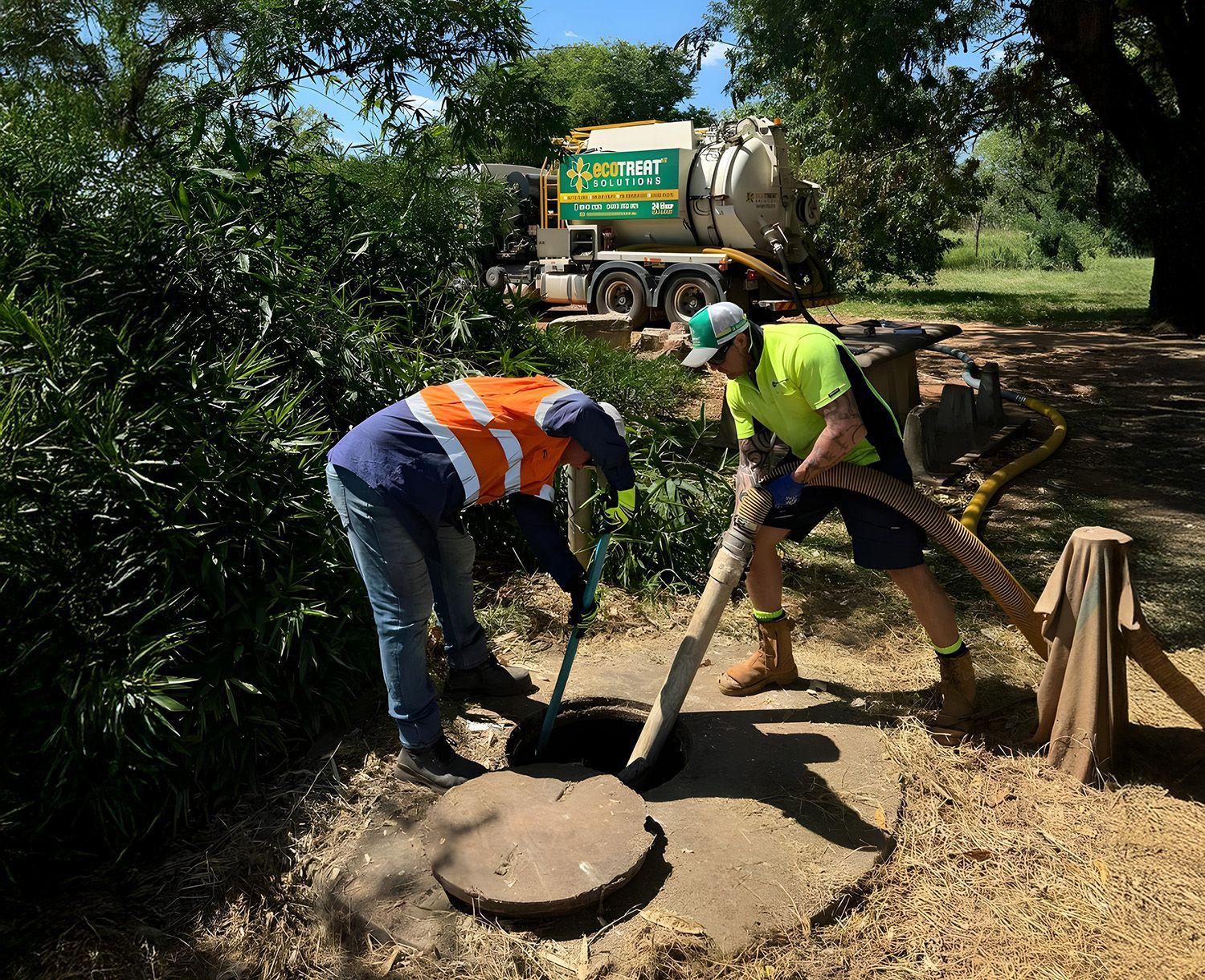
Professional septic tank cleaning in Darwin helps ensure the system has sufficient operating capacity before heavy rainfall places additional demands on the infrastructure.
Environmental Risks Associated With Septic Overflows
A septic backup affects more than household convenience. Overflowing wastewater can create environmental and public health concerns if not managed promptly.
Untreated sewage contains bacteria, viruses and nutrients that can impact surrounding land and waterways. During periods of heavy rainfall, these contaminants can be transported further through stormwater runoff.
Potential environmental impacts include:
- Soil contamination
- Water pollution
- Harm to local ecosystems
- Increased health risks for residents
- Damage to surrounding vegetation
Prompt liquid waste removal and system maintenance help minimise these risks and support safe wastewater management practices.
Professional Solutions for Managing Wet-Season Septic Problems
When a septic system becomes overwhelmed following heavy rain, professional assistance is often required to restore normal operation safely.
Liquid waste service providers offer a range of solutions designed to address both immediate issues and long-term system performance.
Services commonly used during wet-weather events include:
- Emergency septic pumping
- Liquid waste removal
- Septic tank cleaning
- Tank inspections
- Wastewater transport and disposal
- Maintenance planning
These services can reduce pressure on the system while helping property owners identify underlying causes contributing to repeated backups.
Practical Steps to Reduce the Risk of Future Backups
Although no septic system is completely immune to extreme weather, several preventative measures can help reduce the likelihood of future problems.
Good maintenance combined with effective site drainage can improve overall system resilience.
Recommended preventative actions include:
- Schedule regular septic inspections
- Arrange routine septic tank cleaning in Darwin
- Direct roof water away from septic infrastructure
- Repair damaged lids and pipework promptly
- Avoid driving or parking over absorption areas
- Manage surface water through appropriate drainage solutions
- Monitor the system after significant rainfall events
Taking a proactive approach allows potential issues to be identified before they develop into costly emergencies.
Arrange Professional Septic Tank Maintenance Today
Heavy rainfall can place considerable strain on septic systems, particularly during the wet season when ground conditions change rapidly. We at Ecotreat Solutions NT provide professional liquid waste management services, including septic pumping, inspections and maintenance support to help property owners manage wastewater systems effectively.
If you are experiencing drainage issues, signs of a backup or require septic tank cleaning in Darwin, contact our team today to arrange prompt assistance and practical advice tailored to local conditions.