What Problems Are Caused By Overloaded Grease Traps In Darwin Businesses
Every commercial kitchen produces fats, oils and grease. In a busy Darwin café, restaurant or takeaway shop, that waste flows down the sink in far greater volumes than most operators realise. The grease trap catches it before it reaches the sewer, but only holds a finite amount before it stops working. Once it overloads, the effects spread quickly through the drainage system and eventually the business itself. Knowing what actually goes wrong helps operators spot the early signs and understand why grease trap cleaning in Darwin matters well before a maintenance issue becomes a shutdown.
How Grease Traps Work And Why They Overload
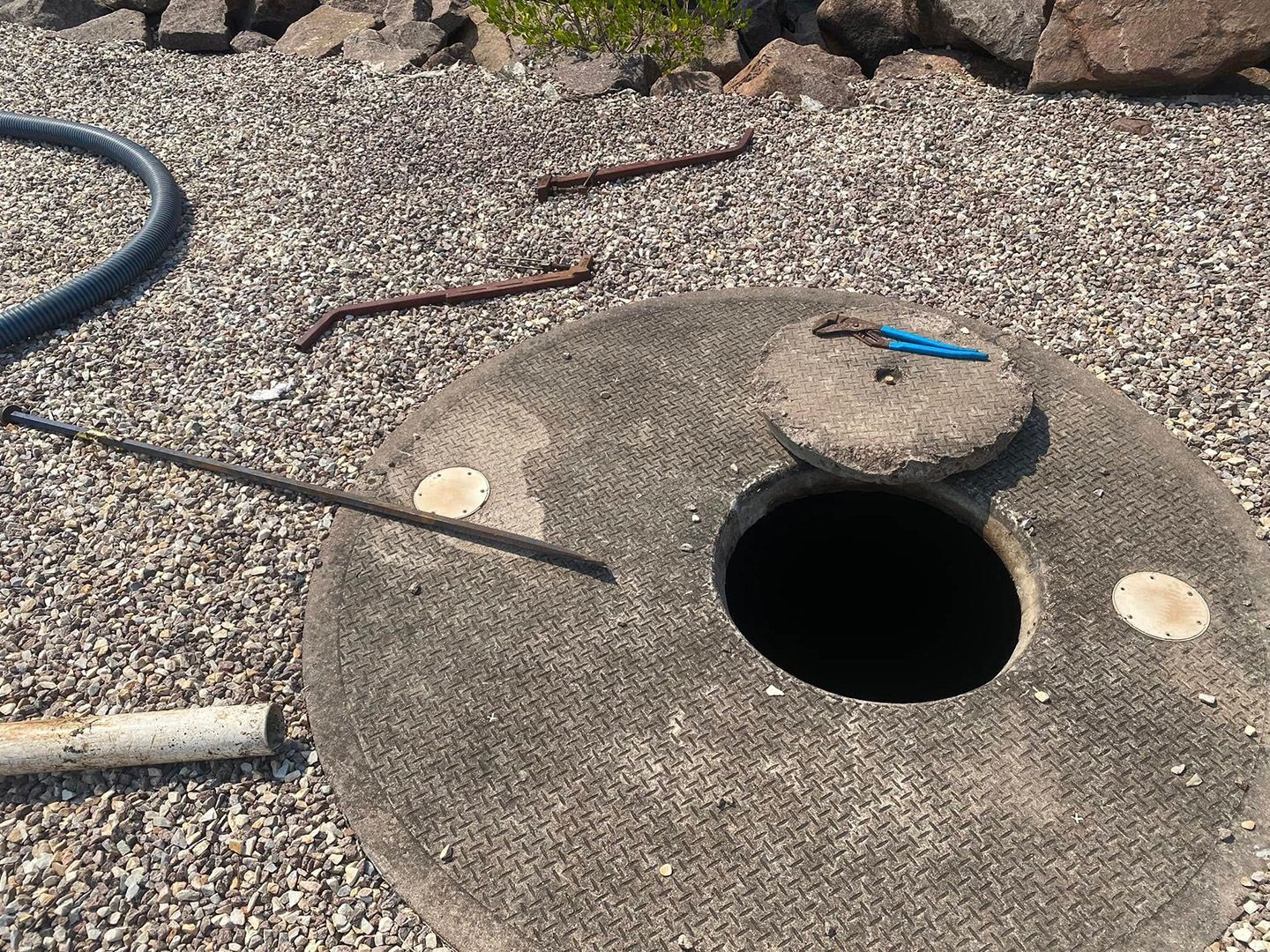
A grease trap slows wastewater so fats, oils and grease float to the top while solids settle at the bottom, allowing only the cleaner water in between to continue into the sewer. Capacity runs out for predictable reasons:
- High kitchen volume: Venues serving large covers push more FOG through the system than the trap handles between services.
- Fried and oil-heavy menus: Deep frying, grilling and sauce work all increase the grease load.
- Undersized traps: A trap installed for a previous tenant may no longer suit the current business.
- Stretched service intervals: Delaying a clean lets the FOG layer build past the point where separation works.
Warm Darwin conditions keep grease liquid for longer, so it travels further into pipework before hardening somewhere less convenient. Kitchens operating through the wet season also tend to run heavier trading periods, which compresses the time between one service and the next.
Blocked Drains And Wastewater Backups In The Kitchen
When the trap stops separating FOG properly, grease carries into the outgoing pipework, cools and sticks to the pipe walls until flow slows to a trickle. Staff notice the symptoms first:
- Slow-draining sinks: Water sits in the basin long after service.
- Gurgling floor wastes: Air struggling past a partial blockage.
- Pooling water around drains: Flow no longer keeping up during peak periods.
- Wastewater backing up: The final stage, which contaminates preparation areas and stops trading immediately.
These symptoms rarely appear overnight. They build across weeks, which gives operators plenty of warning if someone raises them early. Clearing a backed-up system mid-service costs far more than a scheduled pump-out.
Persistent Odours That Affect Staff And Customers
Trapped fats and food solids decompose. Scheduled servicing removes the waste before it starts to smell, but an overloaded trap generates strong odours that escape through floor wastes, sink drains and the trap lid.
Those smells do not stay in the back of house. They drift into dining areas, outdoor seating and neighbouring tenancies, which can influence reviews and repeat custom. Staff working near the source deal with it every shift, and masking the problem with cleaning products only hides it briefly. The smell returns until the underlying waste is removed.
Pest Activity And Hygiene Risks In Food Areas
Decomposing grease attracts exactly the pests food businesses work hardest to keep out. The consequences follow quickly:
- Bacterial growth: Stagnant organic waste supports bacteria that can transfer into preparation areas.
- Pest contamination: Cockroaches, flies and rodents carry contaminants from the trap onto surfaces and equipment.
- Inspection failures: Visible pest activity, odour or overflow can all contribute to an unsatisfactory health inspection.
- Slip hazards: Grease reaching the floor through backups creates a clear safety risk.
Once pests establish around a drainage system, removing them typically requires treatment as well as fixing the grease issue. That means two problems and two invoices instead of one routine service.
Compliance Breaches And Environmental Consequences
FOG solidifies inside sewer mains and contributes to blockages affecting entire streets. Darwin City Council requires businesses to manage grease waste properly, and an overloaded trap discharging into the sewer puts an operator on the wrong side of those obligations.
- Regulatory action: Warnings, directions to rectify or penalties, depending on the circumstances.
- Ongoing scrutiny: Repeated issues can attract closer regulatory attention.
- Environmental harm: Waste escaping the system can affect local waterways and surrounding areas.
- Evidence of compliance: A documented cleaning schedule shows obligations are being met proactively.
Keeping service records on file matters here. If a question ever arises, dated documentation shows the trap has been maintained rather than neglected.
Equipment Damage, Downtime And Repair Costs
Grease traps last well, though not under constant overload. Prolonged exposure to accumulated waste corrodes internal components, degrades baffles and can compromise the trap structure itself.
- Replacement expense: Repairing or replacing a trap costs considerably more than routine servicing.
- Excavation work: Depending on placement, accessing the trap can mean digging.
- Pipe damage: Hardened grease often needs jetting to clear and can damage older pipework.
- Lost trading time: A kitchen that cannot drain cannot operate, which carries a real revenue cost during peak season.
Emergency work also tends to happen at the worst possible moment, since traps usually fail under peak load rather than during a quiet week.
Preventing Overload With Scheduled Grease Trap Cleaning
Every problem above shares one cause, which makes prevention straightforward. Regular grease trap cleaning in Darwin removes accumulated FOG and solids before capacity runs out. Most food businesses sit within a one to three month interval, though the right schedule depends on:
- Trap capacity: Smaller traps reach their limit faster.
- Trading volume: Long hours and high covers accumulate waste more quickly.
- Menu type: Heavy fried or oil-based dishes generate a greater FOG load per service.
- Site access: Traps in constrained locations may suit servicing outside trading hours.
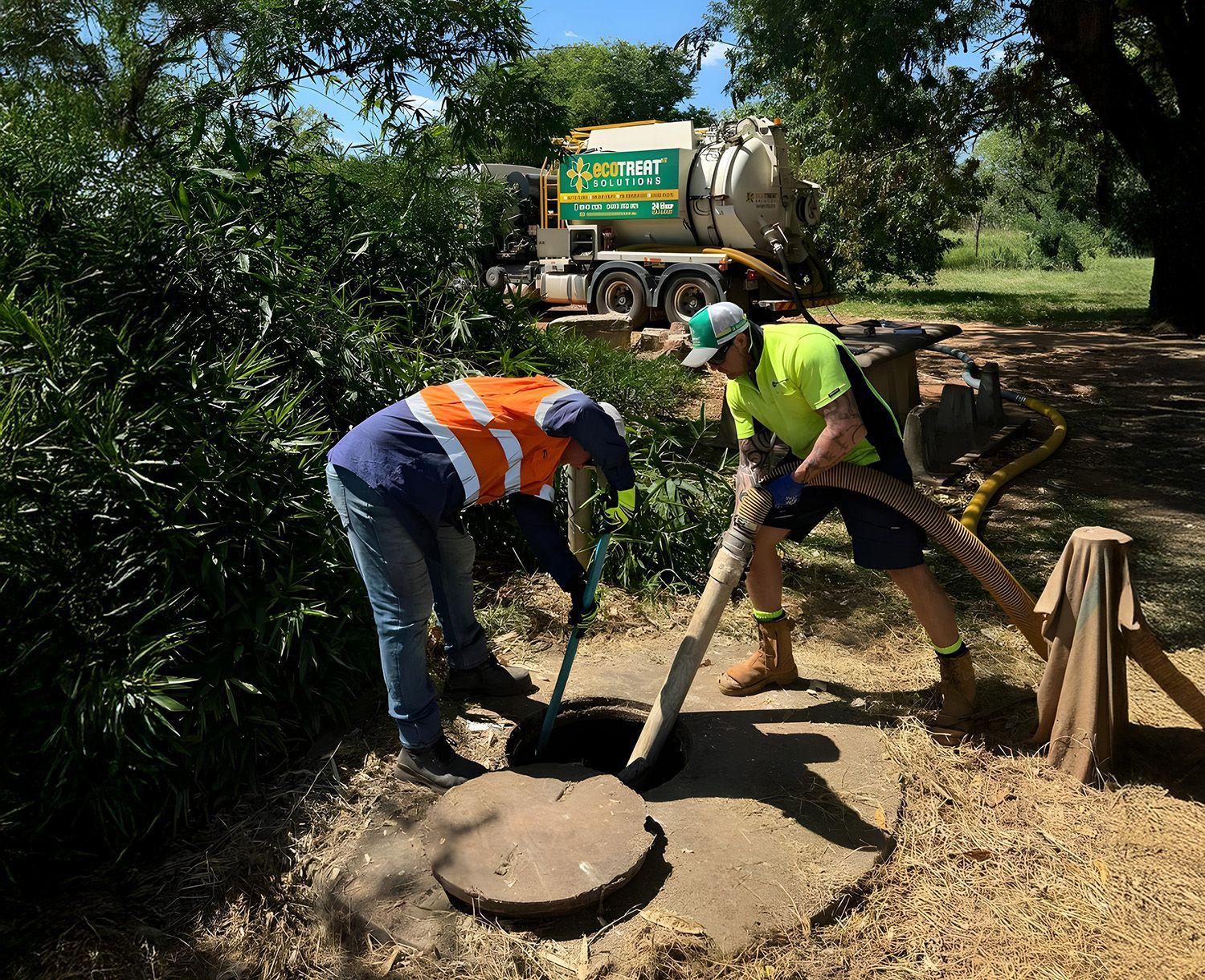
Good kitchen habits support the schedule between visits. Scraping plates before washing, using sink strainers and keeping cooking oil out of drains all slow the rate of build-up. A thorough service should also include an inspection and a condition report, giving early warning of wear or a capacity problem worth addressing. Businesses searching for grease trap cleaning near me should choose a licensed waste handler who disposes of waste at approved facilities and provides documentation for compliance records.
Book Grease Trap Cleaning In Darwin With Ecotreat Solutions NT
An overloaded grease trap rarely announces itself politely. It turns up as a blocked drain during dinner service, a complaint about odour or an inspection that goes badly. Scheduled maintenance removes almost all of that risk.
At Ecotreat Solutions NT, we keep grease traps across Darwin kitchens clean, compliant and running properly. Get in touch with our team to arrange a service schedule that suits your business.
Frequently Asked Questions